All Categories
Featured
Table of Contents
That maximizes cash in the short-term, and you might have 3 to 4 years to save toward the settlement quantity. Extremely dangerous to credit history, mostly as a result of missed settlements and an unfavorable "settled" mark that can stay on your credit history report for as much as seven yearsMay be just alternative if various other choices (debt loan consolidation, balance transfer charge card, financial debt mercy) aren't possibleTypically calls for a fee to the 3rd party, which can balance out some or every one of the cost savings from financial debt settlementMay help you prevent personal bankruptcy if you have actually missed numerous paymentsNot all creditors deal with financial debt settlement firms Debt mercy might be appropriate for you if you are experiencing an economic hardship that makes it nearly difficult to pay for your debt equilibriums.
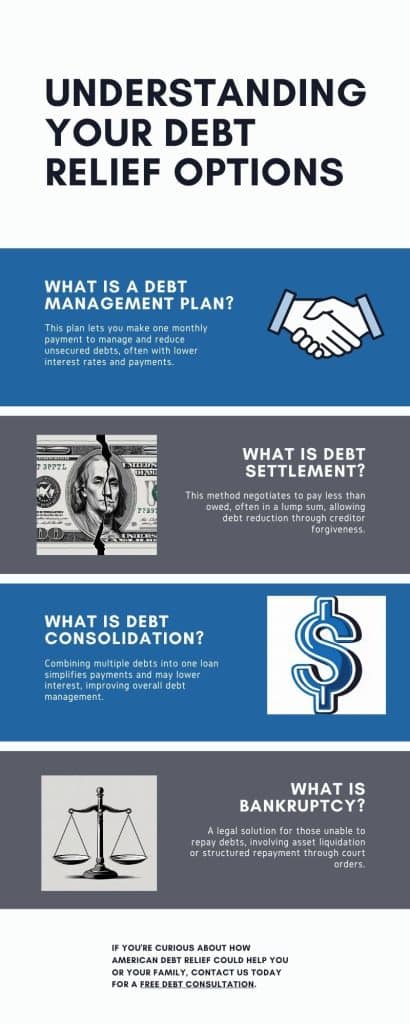
With a DMP, you make one month-to-month settlement to the credit score counseling firm. Those funds are then dispersed to financial institutions of your unsafe financial obligations, such as charge card and installment car loans. The agency deals with your financial institutions to reduce rate of interest or waive charges, yet some creditors may decline such giving ins.
A debt consolidation lending combines your qualified financial debts into one new finance. It can aid you pay for debt if you're able to safeguard a finance rate that's lower than the ordinary rate of the accounts you're consolidating. You should refrain from racking up financial debt on those freshly cleared accounts or your financial obligation could grow also higher.

That gives you plenty of time to eliminate or dramatically minimize your balance while making interest-free repayments.
This Organization Approach with Individuals for Dummies
You may require it if your creditor or a collection company ever before attempts to gather on the financial debt in the future. When a loan provider forgives $600 or even more, they are required to send you Kind 1099-C.
Debt forgiveness or settlement often harms your debt. Anytime you settle a debt for much less than you owe, it might appear as "cleared up" on your credit score report and impact your credit rating for seven years from the date of settlement. Your debt can also drop considerably in the months causing the mercy if you fall behind on settlements.
Not known Facts About True Stories from Individuals Who Secured Freedom
Tax financial obligation compromise programs Tax obligation financial debt occurs when the quantity of taxes you owe surpasses what you have actually paid. This circumstance often arises from underreporting income, not submitting returns on schedule, or disparities found during an IRS audit. The repercussions of gathering tax obligation debt are significant and can consist of tax liens, which provide the internal revenue service a lawful claim to your residential or commercial property as security for the debt.
Incomes and Bank Accounts IRS can levy (confiscate) wages and bank accounts to satisfy the debt. Residential or commercial property Seizure In severe cases, the Internal revenue service can take and sell home to cover the financial debt.
Social Preconception Dealing with lawful activity from the Internal revenue service can bring social preconception. Employment Opportunities A bad credit scores rating due to tax financial debt can limit employment possibilities. Government Advantages Tax obligation financial debt might impact eligibility for government benefits, such as Social Protection and Medicaid.
What the Law Says While Receiving Debt Relief for Dummies
The OIC considers a number of variables, including the taxpayer's earnings, expenditures, possession equity, and capacity to pay. Effectively working out an OIC can be complicated, needing a complete understanding of the IRS's guidelines and a solid debate for why your deal lines up with your capability to pay. It is essential to note that not all applications are approved, and the procedure requires detailed economic disclosure.
The internal revenue service examines your general economic circumstance, including your income, expenditures, asset equity, and ability to pay. You should additionally be existing with all declaring and payment requirements and not be in an open personal bankruptcy case. The internal revenue service likewise considers your compliance history, reviewing whether you have a document of prompt declaring and paying taxes in previous years.
Some Known Incorrect Statements About How Waiting Your Debt Problems May Cost You
The application procedure for an Offer in Concession involves a number of comprehensive steps. First, you should finish and submit internal revenue service Type 656, the Deal in Compromise application, and Type 433-A (OIC), a collection info declaration for people. These forms require thorough financial info, including details concerning your revenue, debts, costs, and possessions.
Back taxes, which are unpaid tax obligations from previous years, can significantly increase your overall internal revenue service financial obligation otherwise addressed immediately. This debt can build up passion and late settlement charges, making the original amount owed much bigger over time. Failing to repay tax obligations can cause the internal revenue service taking enforcement actions, such as releasing a tax lien or levy against your residential or commercial property.
It is essential to resolve back tax obligations immediately, either by paying the total owed or by organizing a repayment plan with the internal revenue service. By taking proactive steps, you can stay clear of the accumulation of extra rate of interest and charges, and protect against much more hostile collection actions by the internal revenue service.
One common factor is the idea that the taxpayer can pay the total either as a lump amount or via a layaway plan. The IRS additionally thinks about the taxpayer's earnings, costs, possession equity, and future earning potential. If these variables suggest that the taxpayer can manage to pay greater than the supplied quantity, the IRS is likely to reject the deal.
All About Complimentary Learning Financial Literacy Materials Offered by APFSC
Dealing with Internal revenue service debt can be intricate and overwhelming. Tax obligation specialists, such as CPAs, tax obligation attorneys, or signed up agents, can supply very useful aid.

Table of Contents
Latest Posts
Developing Post-Debt Financial Plan for Long-Term Success Can Be Fun For Everyone
The 6-Minute Rule for Short-Term Consequences on Student Loans & Debt Counseling: How APFSC Can Help Decisions
How Accessing Assistance Through Certified Counselors can Save You Time, Stress, and Money.
More
Latest Posts
Developing Post-Debt Financial Plan for Long-Term Success Can Be Fun For Everyone
The 6-Minute Rule for Short-Term Consequences on Student Loans & Debt Counseling: How APFSC Can Help Decisions
How Accessing Assistance Through Certified Counselors can Save You Time, Stress, and Money.