All Categories
Featured
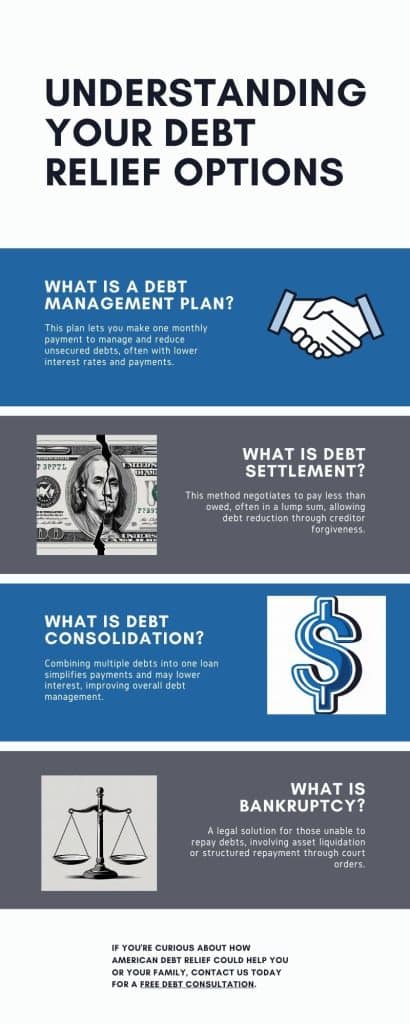
Whichever your circumstance is, take into consideration talking to a certified credit report counselor, a personal bankruptcy lawyer, or a qualified financial debt consultant prior to progressing. They can help you get a full understanding of your financial resources and alternatives so you're far better prepared to make decisions. One more variable that influences your options is the sort of financial obligation you have.
Kevin Briggs was an effective landlord with a six-figure income, yet after a year of pandemic obstacles, he found himself in 2021 with $45,000 in credit report card financial obligation."Less than 3 years later, Briggs had eliminated his credit history card financial debt, many thanks to that rescue a brand-new nonprofit debt alleviation program from InCharge Financial obligation Solutions called "Debt Card Financial Obligation Mercy."Credit History Card Debt Mercy, also known as the Much less Than Full Balance program, is financial obligation relief for individuals that have actually not been able to make credit score card repayments for six months and lenders have charged off their accounts, or are about to.
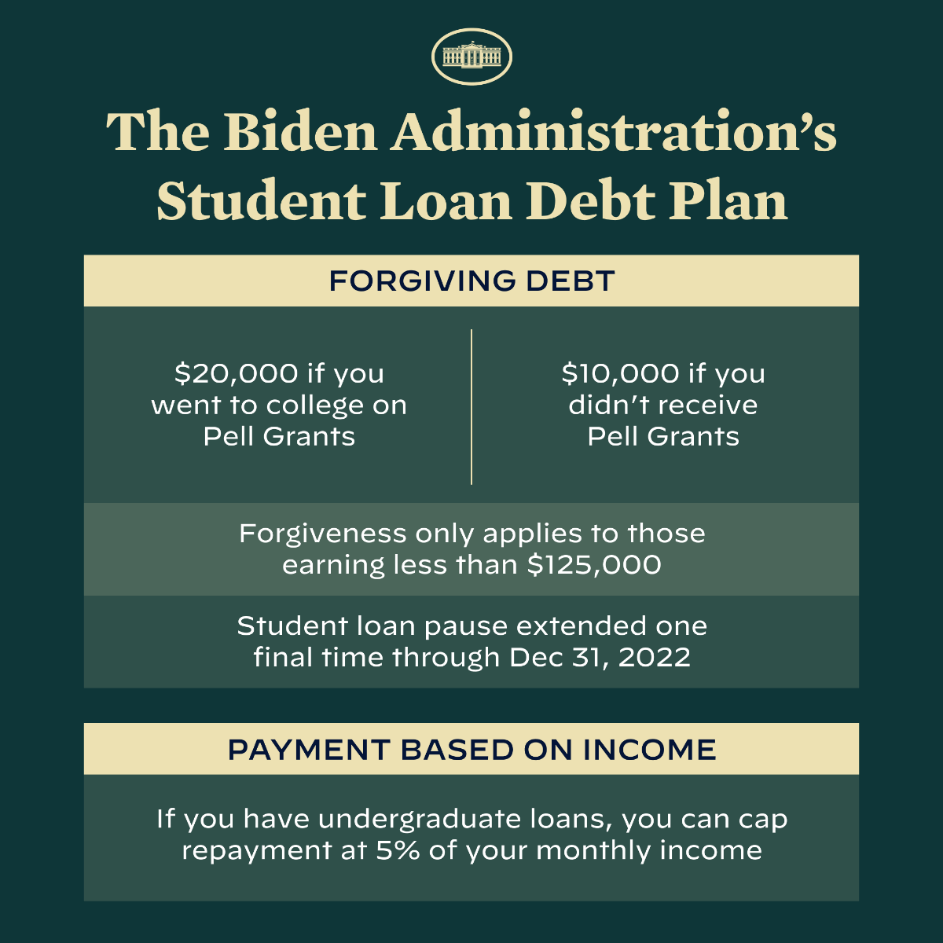
The catch is that nonprofit Bank card Financial debt Mercy isn't for every person. To certify, you must not have actually made a repayment on your credit rating card account, or accounts, for 120-180 days. On top of that, not all lenders take part, and it's just provided by a few nonprofit credit therapy agencies. InCharge Financial obligation Solutions is just one of them.
The Credit Rating Card Mercy Program is for people that are so far behind on credit history card payments that they are in severe financial difficulty, potentially dealing with insolvency, and don't have the income to catch up."The program is specifically created to assist customers whose accounts have been billed off," Mostafa Imakhchachen, consumer care expert at InCharge Financial debt Solutions, said.
An Unbiased View of Comparing APFSC in the Industry
Lenders who get involved have concurred with the nonprofit debt therapy firm to approve 50%-60% of what is owed in fixed month-to-month repayments over 36 months. The set settlements imply you recognize precisely how much you'll pay over the settlement period. No interest is charged on the equilibriums during the benefit duration, so the repayments and amount owed do not transform.

Latest Posts
Developing Post-Debt Financial Plan for Long-Term Success Can Be Fun For Everyone
The 6-Minute Rule for Short-Term Consequences on Student Loans & Debt Counseling: How APFSC Can Help Decisions
How Accessing Assistance Through Certified Counselors can Save You Time, Stress, and Money.
More
Latest Posts
Developing Post-Debt Financial Plan for Long-Term Success Can Be Fun For Everyone
The 6-Minute Rule for Short-Term Consequences on Student Loans & Debt Counseling: How APFSC Can Help Decisions
How Accessing Assistance Through Certified Counselors can Save You Time, Stress, and Money.